 Business License
Honeycomb Ceramic as Catalyst Support: Applications and Selection Guide
Honeycomb Ceramic as Catalyst Support: Applications and Selection Guide
Introduction
Honeycomb ceramic is widely used as a catalyst support material in environmental protection and chemical processing applications.
Its unique channel structure provides a large surface area, low pressure drop and uniform gas flow distribution, making it suitable for catalytic reactions requiring efficient gas-solid contact.
Selecting the right honeycomb ceramic catalyst support depends on operating temperature, catalyst type, gas composition, mechanical strength and reaction requirements.
DAIER Separation provides customized honeycomb ceramic solutions for catalyst support, thermal treatment and industrial gas processing applications.
What Is Honeycomb Ceramic Catalyst Support?
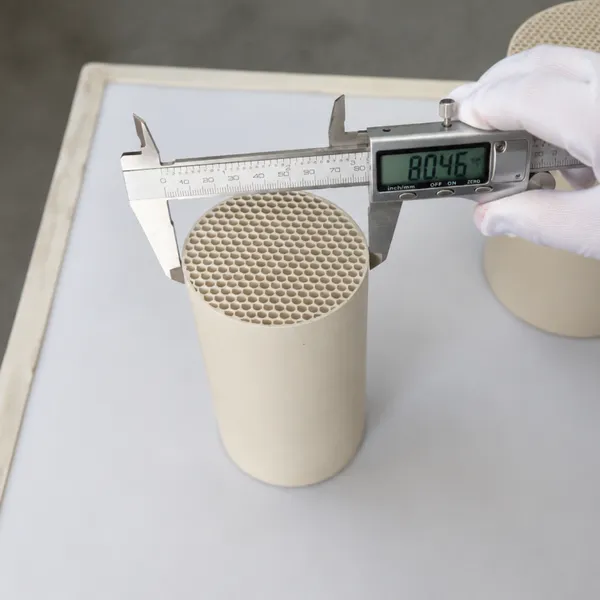
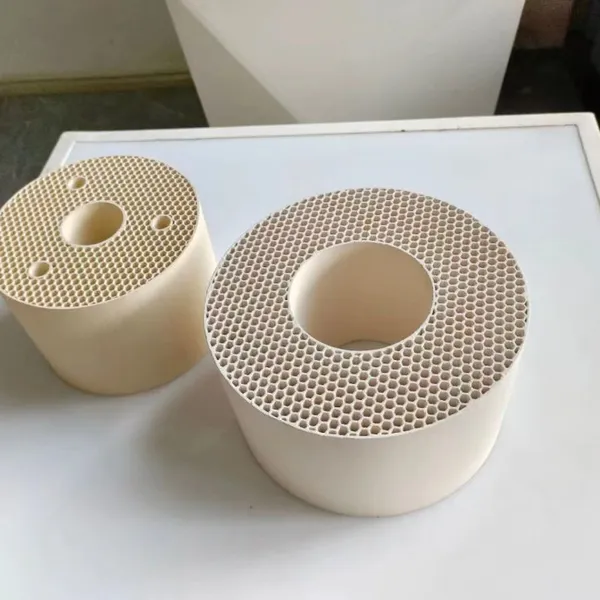
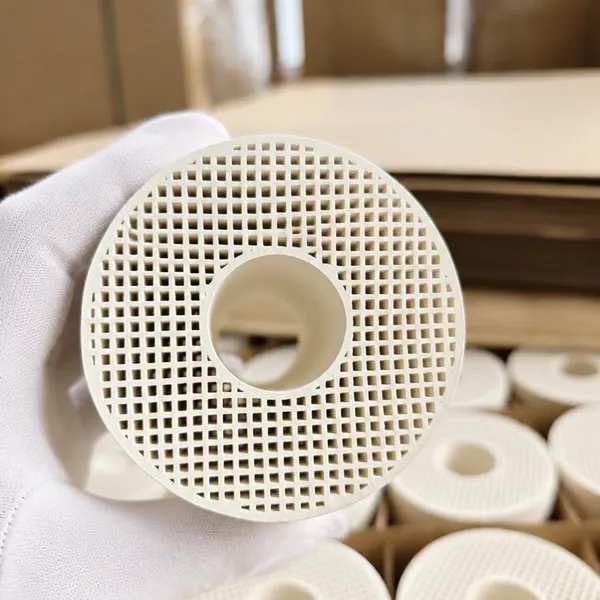
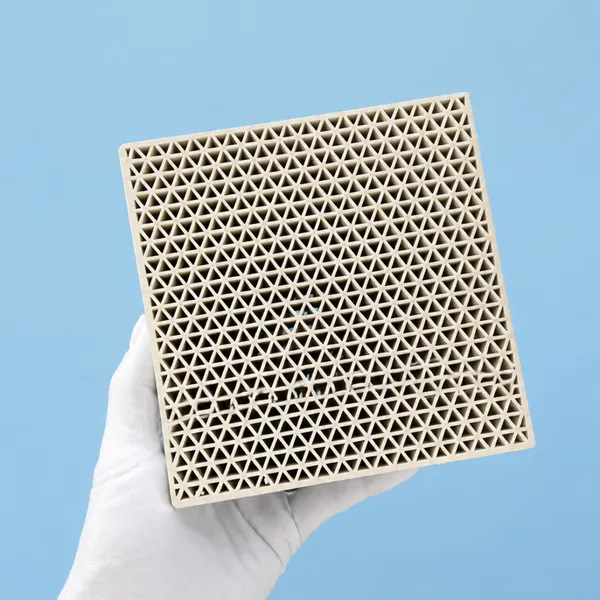
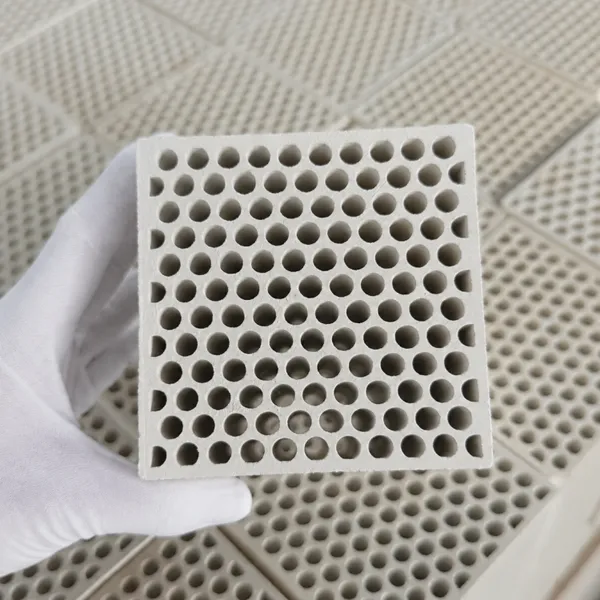
Honeycomb ceramic catalyst support is a structured ceramic carrier with multiple parallel channels.
Catalyst materials can be coated or loaded onto the ceramic surface.
The honeycomb structure provides:
Large contact area
Uniform gas distribution
Low pressure drop
High thermal stability
Why Use Honeycomb Ceramic as a Catalyst Carrier?
1. Large Surface Area
The channel structure increases the available surface area for catalyst coating.
This improves:
Gas-solid contact
Reaction efficiency
Catalyst utilization
2. Low Pressure Drop
Compared with some traditional catalyst forms, honeycomb structures allow gas to pass through smoothly.
Benefits include:
Lower fan energy consumption
Higher processing capacity
Improved system efficiency
3. Excellent Thermal Stability
Ceramic materials can withstand high-temperature reaction environments.
Suitable for:
VOC oxidation
Catalytic combustion
High-temperature gas treatment
Common Applications of Honeycomb Ceramic Catalyst Support
VOC Catalytic Oxidation
Used for treating:
Industrial exhaust gas
Organic solvent emissions
Chemical process gases
Advantages:
Efficient gas contact
Stable catalytic performance
Automotive and Industrial Emission Control
Honeycomb ceramic structures are widely used as catalyst carriers where:
Gas flow is continuous
Low pressure drop is required
Chemical Reaction Systems
Applications include:
Gas purification
Oxidation reactions
Special catalytic processes
Important Parameters for Catalyst Support Selection
1. Ceramic Material
Common materials:
Cordierite
Advantages:
Excellent thermal shock resistance
Good cost performance
Suitable for:
Frequent temperature cycling applications
Mullite
Advantages:
Higher temperature capability
Better mechanical strength
Suitable for:
More demanding conditions
2. Cell Density
Honeycomb ceramic can be produced with different channel densities.
Higher cell density:
More surface area
Higher contact efficiency
Lower cell density:
Lower pressure drop
Better flow capacity
3. Mechanical Strength
The ceramic carrier must withstand:
Installation stress
Thermal expansion
Operating vibration
4. Chemical Compatibility
Material selection should consider:
Gas composition
Reaction products
Operating environment
Common Mistakes
Selecting Catalyst Support Only by Surface Area
Higher surface area is not always better.
Pressure drop and gas flow must also be considered.
Ignoring Thermal Cycling
Repeated heating and cooling may damage unsuitable ceramic materials.
Choosing Cell Size Without Process Evaluation
Cell structure affects:
Pressure drop
Reaction efficiency
Service life
Information Required for Honeycomb Ceramic Catalyst Support Selection
Provide:
Application type
Operating temperature
Gas composition
Catalyst type
Gas flow rate
Required dimensions
Cell density requirement
Material requirement
Conclusion
Honeycomb ceramic catalyst support provides an efficient structure for gas-solid catalytic reactions.
The correct selection requires balancing surface area, pressure drop, thermal stability and chemical compatibility.
DAIER Separation provides customized honeycomb ceramic solutions for catalyst support, RTO systems and industrial gas treatment applications.
Related Products
Honeycomb Ceramic
Ceramic Catalyst Carrier
RTO Ceramic Media
Cordierite Ceramic
Mullite Ceramic
Recently Posted
-
How to Choose the Right Tower Packing for Your Application: A Complete Engineering Guide
August 20, 2026How to Choose the Right Tower Packing for Your Application: A Complete Engineering GuideIntroductionSelecting the right tower pack Read More
 -
DAIER Separation Knowledge Base: Engineering Solutions for Tower Packing and Internals
August 20, 2026DAIER Separation Knowledge Base: Engineering Solutions for Tower Packing and InternalsIntroductionIndustrial separation equipment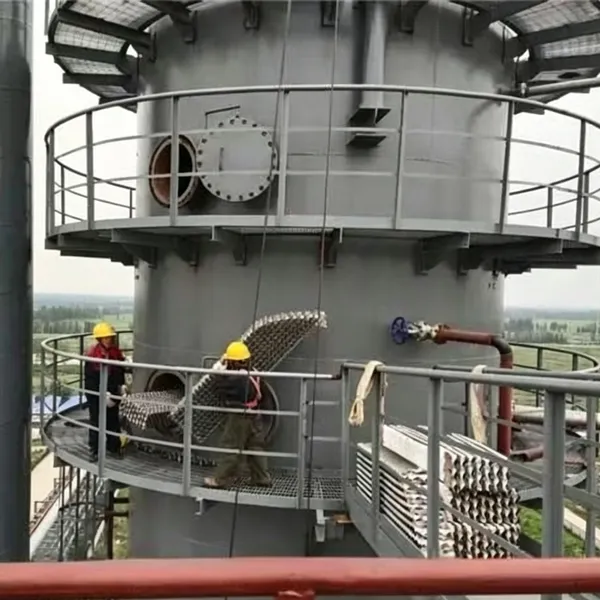 Read More
 -
Packed Tower Revamp Guide: How to Improve Existing Column Performance
August 20, 2026Packed Tower Revamp Guide: How to Improve Existing Column PerformanceIntroductionMany industrial packed towers operate for decades Read More
 -
Reliable Tower Internals Supplier: What Makes a Good Partner?
August 20, 2026Reliable Tower Internals Supplier: What Makes a Good Partner?IntroductionTower internals are critical components in packed columns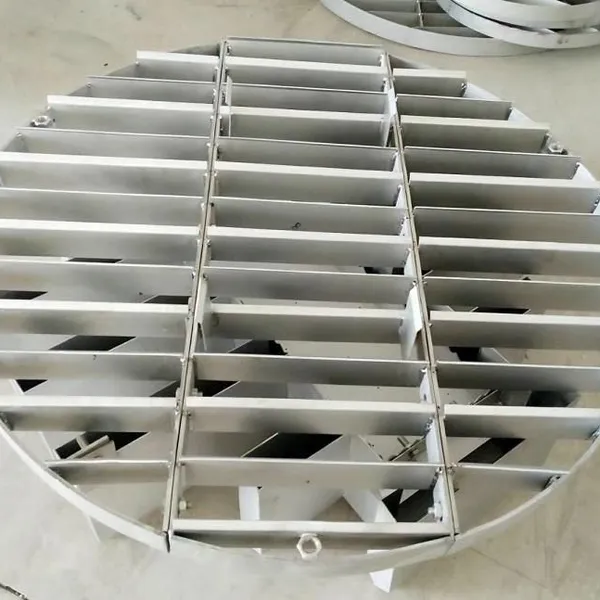 Read More

Contact Us
Recommended Products
-
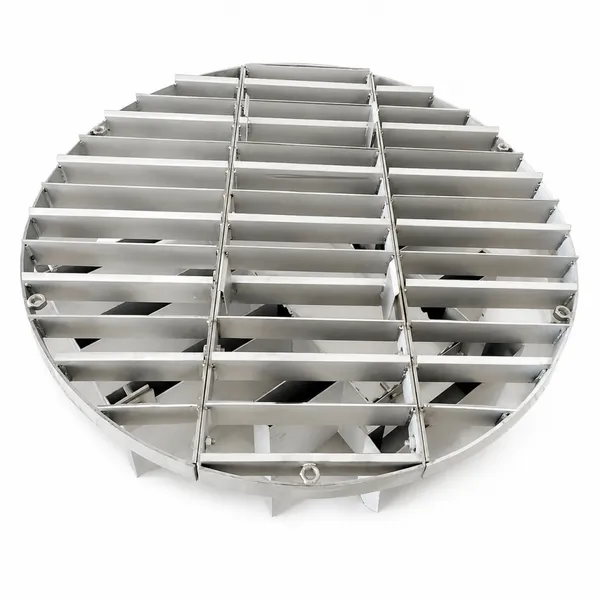
 Structured Packing Support Grid Tower Internals for Distillation and Absorption ColumnsNegotiableMOQ: 1 Set
 -
Zirconia Ceramic Foam Filter for Precision Casting and Superalloy FiltrationNegotiableMOQ: 1 Cubic Meter
-
Customized Ceramic Foam Filter for Molten Metal Filtration ApplicationsNegotiableMOQ: 1 Cubic Meter
-
Steel Casting Ceramic Foam Filter for Molten Steel FiltrationNegotiableMOQ: 1 Cubic Meter
-
Aluminum Casting Ceramic Foam Filter for Molten Aluminum FiltrationNegotiableMOQ: 1 Cubic Meter
-
Zirconia Ceramic Foam Filter for High Temperature Steel Casting FiltrationNegotiableMOQ: 1 Cubic Meter
-
Alumina Ceramic Foam Filter for Aluminum Casting FiltrationNegotiableMOQ: 1 Cubic Meter
-
Silicon Carbide Ceramic Foam Filter for Molten Metal FiltrationNegotiableMOQ: 1 Cubic Meter
-
Customized Honeycomb Ceramic Block for RTO and High Temperature ApplicationsNegotiableMOQ: 1 Cubic Meter
-
RTO Honeycomb Ceramic Regenerator Media for Thermal Oxidizer SystemsNegotiableMOQ: 1 Cubic Meter
-
Honeycomb Ceramic Catalyst Support for Catalytic Converter and Chemical ProcessingNegotiableMOQ: 1 Cubic Meter
-
Mullite Honeycomb Ceramic Heat Storage Media for High Temperature ApplicationsNegotiableMOQ: 1 Cubic Meter
-
Cordierite Honeycomb Ceramic Heat Storage Media for RTO and Thermal Regeneration SystemsNegotiableMOQ: 1 Cubic Meter
-
Chevron Mist Eliminator Vane Pack Module for Gas Liquid SeparationNegotiableMOQ: 1 Set
-
Mist Eliminator Support Grid Frame for Demister Pad InstallationNegotiableMOQ: 1 Set
-
High Efficiency Mist Eliminator Fine Droplet Separator for Advanced Gas TreatmentNegotiableMOQ: 1 Set
-
PP Plastic Mist Eliminator Corrosion Resistant Demister for Scrubber TowersNegotiableMOQ: 1 Set
-
Vane Mist Eliminator Blade Type Gas Liquid Separator for Scrubber TowersNegotiableMOQ: 1 Set
-
Wire Mesh Mist Eliminator Mesh Pad Demister for Gas Liquid SeparationNegotiableMOQ: 1 Set
-
PP Packing Support Grid Tower Internals for Corrosive Scrubber and Absorption TowersNegotiableMOQ: 1 Piece