 Business License
Why Does RTO Ceramic Media Break? Common Causes and Prevention Methods
Why Does RTO Ceramic Media Break? Common Causes and Prevention Methods
Introduction
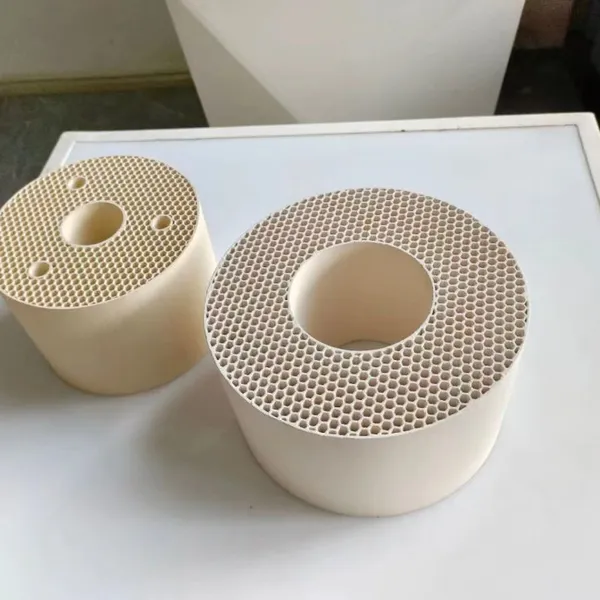
Honeycomb ceramic media is a critical component inside regenerative thermal oxidizer (RTO) systems.
Although ceramic heat storage media is designed for high-temperature operation, long-term use may cause problems such as cracking, collapse, blockage or structural damage.
Understanding the causes of ceramic media failure helps engineers improve RTO reliability, reduce maintenance frequency and extend service life.
DAIER Separation provides honeycomb ceramic media solutions for RTO systems, thermal oxidation equipment and industrial waste gas treatment applications.
Common Types of RTO Ceramic Media Damage
1. Ceramic Cracking
Ceramic cracking is one of the most common failure problems.
Symptoms include:
Visible cracks on ceramic blocks
Broken pieces inside chambers
Reduced heat exchange performance
Causes of Ceramic Cracking
Thermal Shock
RTO systems experience repeated temperature changes during operation.
Rapid temperature variation may create internal stress and cause ceramic cracks.
Common situations:
Frequent startup and shutdown
Uneven heating
Sudden temperature changes
Improper Material Selection
Different ceramic materials have different thermal properties.
If the ceramic material does not match operating conditions, cracking risk may increase.
2. Ceramic Block Collapse
Ceramic blocks may collapse due to:
Mechanical impact
Poor installation
Excessive vibration
Long-term structural weakening
Prevention Methods
Engineers should consider:
Proper installation procedures
Suitable support structure
Correct handling during transportation
3. Ceramic Channel Blockage
Honeycomb ceramic channels may become blocked by:
Dust
Oil mist
Reaction products
Particulate matter
Effects of Blockage
Blockage can cause:
Increased pressure drop
Reduced gas flow
Lower heat transfer efficiency
Solutions
Possible solutions:
Select suitable cell size
Improve upstream filtration
Regularly inspect ceramic condition
4. Ceramic Chemical Corrosion
Some industrial gases contain components that may attack ceramic materials.
Potential factors:
Acidic compounds
Alkali substances
Chemical contaminants
Prevention
Select ceramic materials according to:
Gas composition
Temperature
Operating environment
Factors Affecting RTO Ceramic Service Life
Operating Temperature
Temperature should remain within the ceramic material capability.
Temperature Cycling Frequency
Frequent cycles increase thermal stress.
Gas Cleanliness
Higher contamination levels increase:
Fouling risk
Pressure drop
Maintenance requirements
Ceramic Quality
Important parameters include:
Material composition
Manufacturing process
Mechanical strength
Thermal shock resistance
How to Prevent RTO Ceramic Failure?
Select Suitable Ceramic Material
Common options:
Cordierite
Suitable for:
Frequent thermal cycling
Standard RTO applications
Mullite
Suitable for:
Higher temperature
More demanding conditions
Choose Correct Cell Structure
Cell size affects:
Heat transfer
Pressure drop
Fouling resistance
Ensure Proper Installation
Important points:
Avoid impact damage
Maintain correct stacking
Check support condition
Information Required for Ceramic Evaluation
Provide:
RTO operating temperature
Gas composition
VOC concentration
Gas flow rate
Existing ceramic type
Failure condition
Replacement quantity
Conclusion
RTO ceramic media failure is usually caused by thermal shock, incorrect material selection, fouling, corrosion or installation problems.
A suitable ceramic material combined with correct design and operation can significantly improve service life and system reliability.
DAIER Separation provides customized honeycomb ceramic media solutions for RTO systems and industrial thermal treatment applications.
Related Products
Honeycomb Ceramic
RTO Ceramic Media
Cordierite Ceramic
Mullite Ceramic
Heat Storage Ceramic
Recently Posted
-
How to Choose the Right Tower Packing for Your Application: A Complete Engineering Guide
August 20, 2026How to Choose the Right Tower Packing for Your Application: A Complete Engineering GuideIntroductionSelecting the right tower pack Read More
 -
DAIER Separation Knowledge Base: Engineering Solutions for Tower Packing and Internals
August 20, 2026DAIER Separation Knowledge Base: Engineering Solutions for Tower Packing and InternalsIntroductionIndustrial separation equipment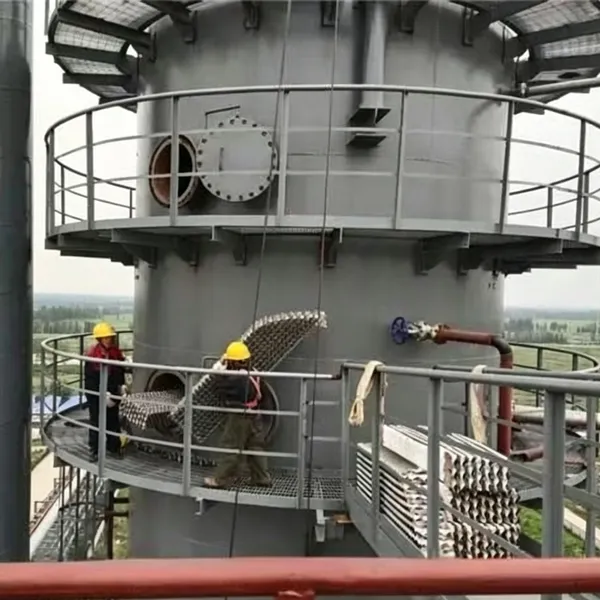 Read More
 -
Packed Tower Revamp Guide: How to Improve Existing Column Performance
August 20, 2026Packed Tower Revamp Guide: How to Improve Existing Column PerformanceIntroductionMany industrial packed towers operate for decades Read More
 -
Reliable Tower Internals Supplier: What Makes a Good Partner?
August 20, 2026Reliable Tower Internals Supplier: What Makes a Good Partner?IntroductionTower internals are critical components in packed columns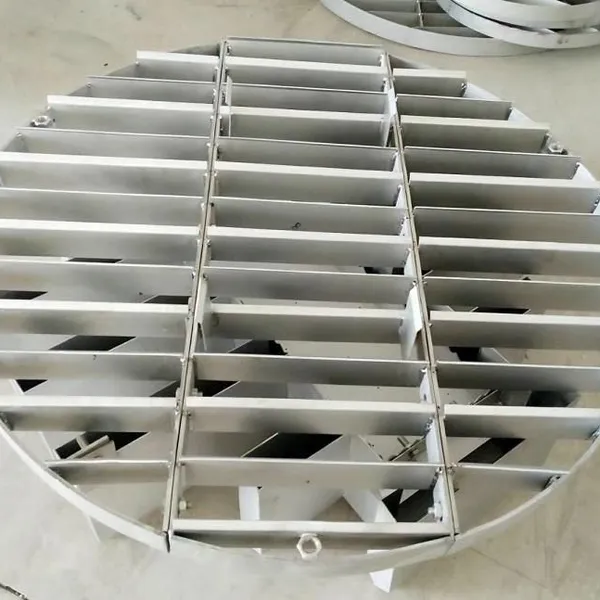 Read More

Contact Us
Recommended Products
-
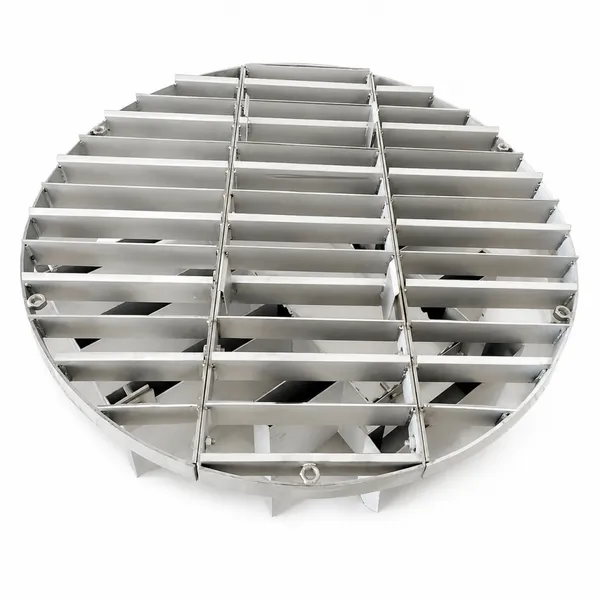
 Structured Packing Support Grid Tower Internals for Distillation and Absorption ColumnsNegotiableMOQ: 1 Set
 -
Zirconia Ceramic Foam Filter for Precision Casting and Superalloy FiltrationNegotiableMOQ: 1 Cubic Meter
-
Customized Ceramic Foam Filter for Molten Metal Filtration ApplicationsNegotiableMOQ: 1 Cubic Meter
-
Steel Casting Ceramic Foam Filter for Molten Steel FiltrationNegotiableMOQ: 1 Cubic Meter
-
Aluminum Casting Ceramic Foam Filter for Molten Aluminum FiltrationNegotiableMOQ: 1 Cubic Meter
-
Zirconia Ceramic Foam Filter for High Temperature Steel Casting FiltrationNegotiableMOQ: 1 Cubic Meter
-
Alumina Ceramic Foam Filter for Aluminum Casting FiltrationNegotiableMOQ: 1 Cubic Meter
-
Silicon Carbide Ceramic Foam Filter for Molten Metal FiltrationNegotiableMOQ: 1 Cubic Meter
-
Customized Honeycomb Ceramic Block for RTO and High Temperature ApplicationsNegotiableMOQ: 1 Cubic Meter
-
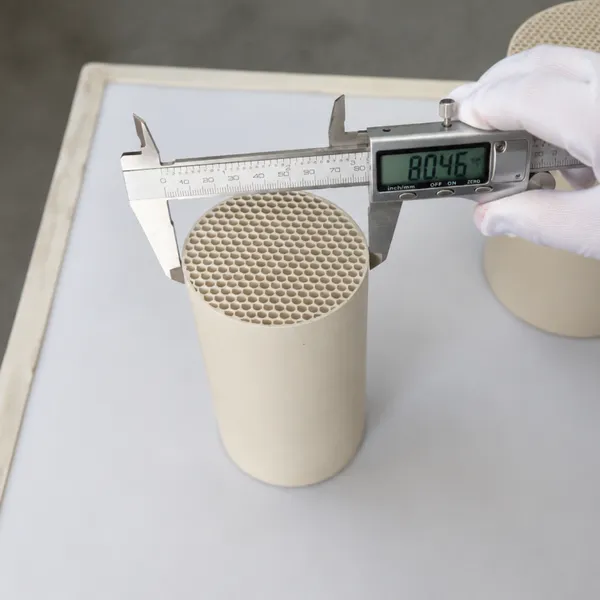
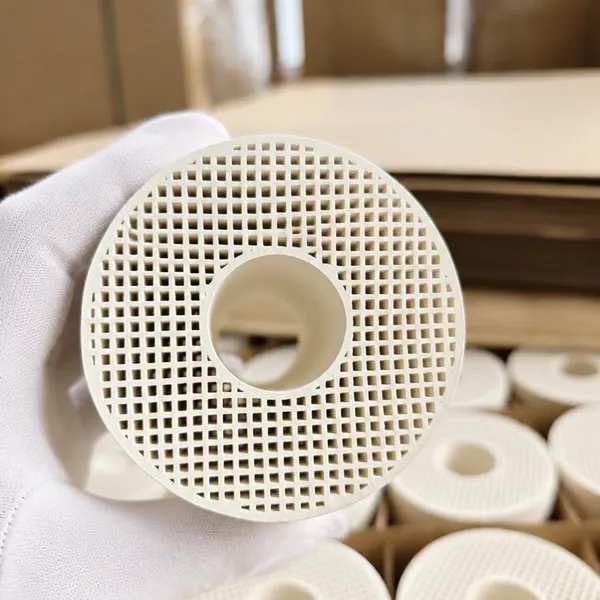
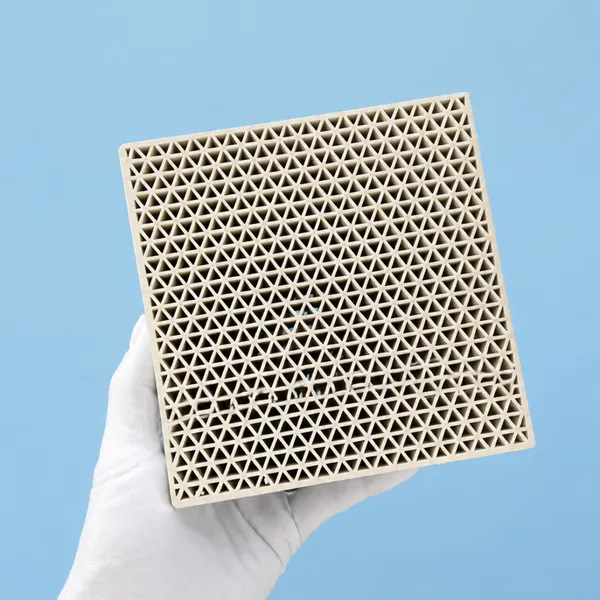
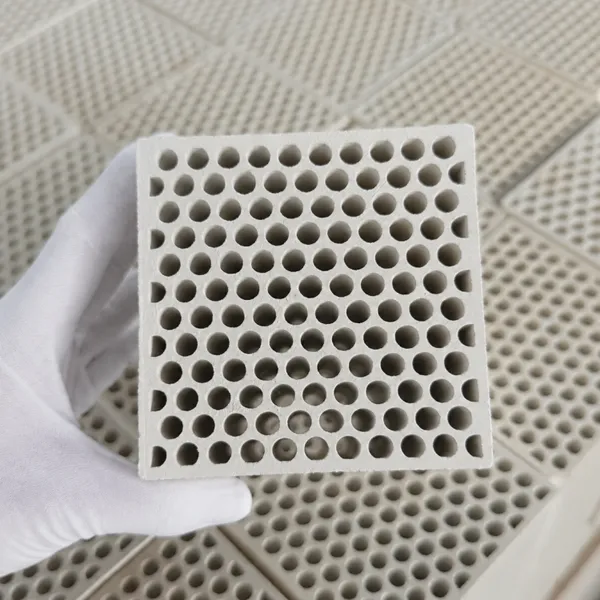
RTO Honeycomb Ceramic Regenerator Media for Thermal Oxidizer SystemsNegotiableMOQ: 1 Cubic Meter
-
Honeycomb Ceramic Catalyst Support for Catalytic Converter and Chemical ProcessingNegotiableMOQ: 1 Cubic Meter
-
Mullite Honeycomb Ceramic Heat Storage Media for High Temperature ApplicationsNegotiableMOQ: 1 Cubic Meter
-
Cordierite Honeycomb Ceramic Heat Storage Media for RTO and Thermal Regeneration SystemsNegotiableMOQ: 1 Cubic Meter
-
Chevron Mist Eliminator Vane Pack Module for Gas Liquid SeparationNegotiableMOQ: 1 Set
-
Mist Eliminator Support Grid Frame for Demister Pad InstallationNegotiableMOQ: 1 Set
-
High Efficiency Mist Eliminator Fine Droplet Separator for Advanced Gas TreatmentNegotiableMOQ: 1 Set
-
PP Plastic Mist Eliminator Corrosion Resistant Demister for Scrubber TowersNegotiableMOQ: 1 Set
-
Vane Mist Eliminator Blade Type Gas Liquid Separator for Scrubber TowersNegotiableMOQ: 1 Set
-
Wire Mesh Mist Eliminator Mesh Pad Demister for Gas Liquid SeparationNegotiableMOQ: 1 Set
-
PP Packing Support Grid Tower Internals for Corrosive Scrubber and Absorption TowersNegotiableMOQ: 1 Piece