 Business License

Why Does Pressure Drop Increase in Packed Towers? Causes and Solutions
Why Does Pressure Drop Increase in Packed Towers? Causes and Solutions
Introduction
Pressure drop is one of the most important operating parameters in packed towers.
An unexpected increase in pressure drop may indicate problems with packing selection, liquid loading, flooding, fouling or internal damage.
High pressure drop can reduce tower capacity, increase energy consumption and affect separation performance.
Understanding the causes of pressure drop increase helps engineers maintain stable packed column operation.
DAIER Separation provides tower packing, tower internals and engineering solutions for distillation columns, absorption towers and gas-liquid separation equipment.
What Is Pressure Drop in a Packed Tower?
Pressure drop refers to the pressure loss when gas flows through the packed bed.
During normal operation:
Gas flows upward through packing
Liquid flows downward
Gas and liquid interact on packing surfaces
The pressure drop depends on:
Packing type
Packing size
Gas velocity
Liquid loading
Packing condition
Common Causes of Increased Pressure Drop
1. Excessive Gas Velocity
Problem
When gas velocity increases, resistance through the packed bed also increases.
Possible causes:
Increased production rate
Higher gas flow
Equipment operation changes
Effects
Excessive gas velocity may cause:
Higher pressure drop
Reduced capacity
Flooding risk
2. Liquid Loading Increase
Higher liquid flow increases resistance inside the packed bed.
Possible reasons:
Increased circulation rate
Process condition changes
Feed variation
Effects:
Higher liquid holdup
Increased pressure drop
3. Packing Fouling and Blockage
Fouling is a common cause of pressure drop increase.
Possible contaminants:
Solids
Crystals
Polymer deposits
Corrosion products
Effects
Fouling may cause:
Reduced void space
Restricted gas flow
Increased pressure loss
4. Packing Damage or Collapse
Damaged packing may change gas flow paths.
Possible causes:
Mechanical damage
Incorrect installation
Support failure
Effects:
Uneven gas distribution
Increased resistance
Reduced efficiency
5. Liquid Maldistribution
Poor liquid distribution can create local high liquid loading areas.
Results:
Channeling
Uneven wetting
Increased pressure drop
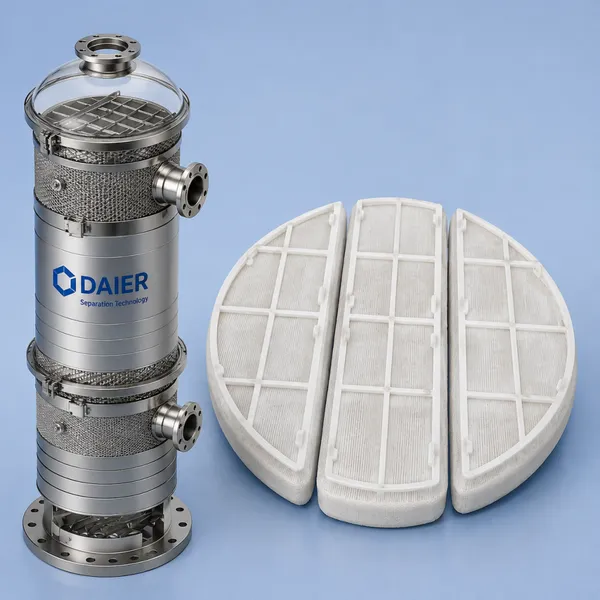
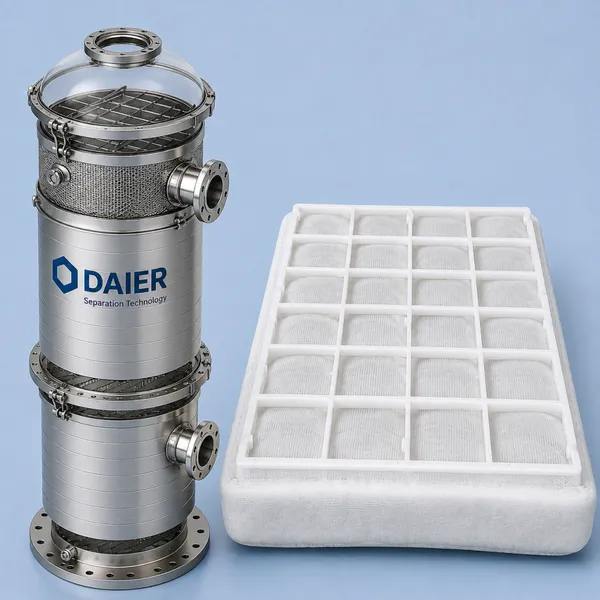
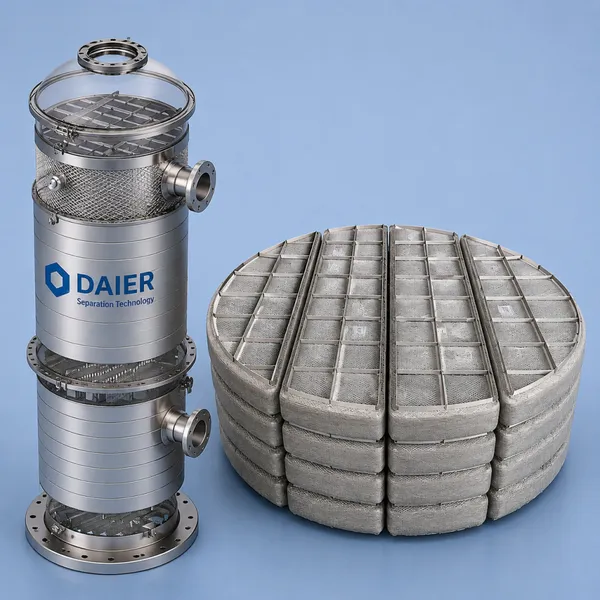
6. Mist Eliminator Blockage
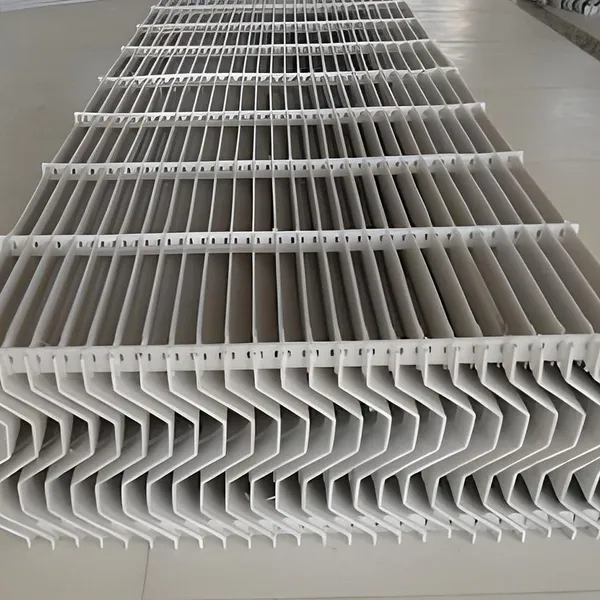
A blocked mist eliminator can also increase system pressure drop.
Possible causes:
Dust accumulation
Liquid contamination
Corrosion
How to Troubleshoot High Pressure Drop?
Step 1: Check Operating Conditions
Review:
Gas flow rate
Liquid flow rate
Temperature
Pressure
Confirm whether operation has changed.
Step 2: Inspect Packing Condition
Check:
Packing damage
Fouling
Compression
Replacement history
Step 3: Check Tower Internals
Inspect:
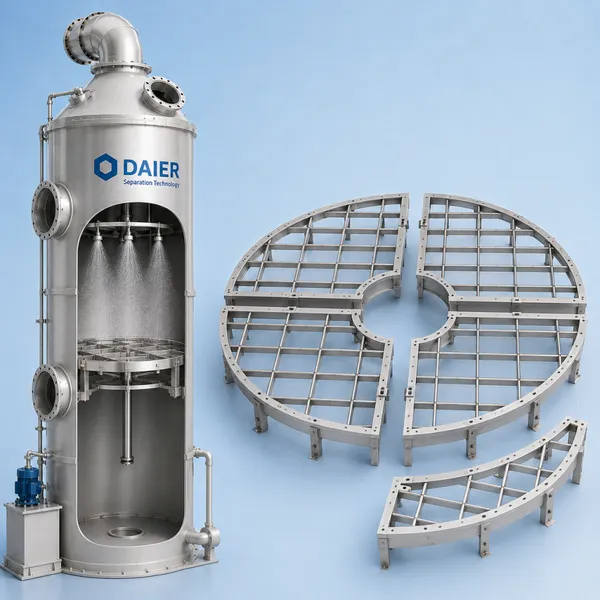
Liquid distributor
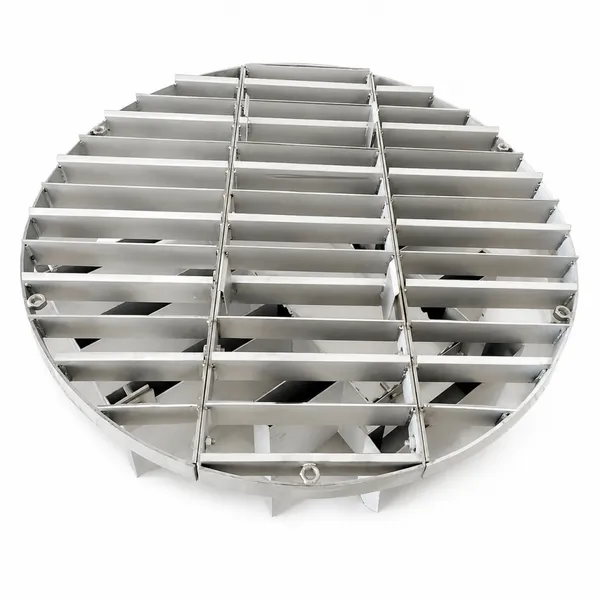
Packing support
Hold down grid
Mist eliminator
Step 4: Evaluate Packing Selection
Confirm:
Packing type
Packing size
Material
Hydraulic capacity
Common Mistakes
Replacing Packing Without Finding the Root Cause
High pressure drop may be caused by:
Distributor problems
Fouling
Internal damage
not only packing failure.
Choosing Lower Pressure Drop Packing Without Process Evaluation
Lower pressure drop does not always mean better separation performance.
Ignoring Operating Changes
A tower may experience problems because process conditions changed after original design.
Information Required for Troubleshooting
Provide:
Tower diameter
Packing type
Packing size
Gas flow rate
Liquid flow rate
Operating pressure
Temperature
Pressure drop data
Process medium
Conclusion
Increasing pressure drop in packed towers is usually caused by hydraulic limitations, fouling, operating changes or internal problems.
Effective troubleshooting requires evaluating the complete packed column system, including packing, internals and operating conditions.
DAIER Separation provides engineering support for packed tower optimization, packing selection and tower internals solutions.
Related Products
Structured Packing
Random Packing
Liquid Distributor
Packing Support Grid
Mist Eliminator
Recently Posted
-
How to Choose the Right Tower Packing for Your Application: A Complete Engineering Guide
August 20, 2026How to Choose the Right Tower Packing for Your Application: A Complete Engineering GuideIntroductionSelecting the right tower pack Read More
 -
DAIER Separation Knowledge Base: Engineering Solutions for Tower Packing and Internals
August 20, 2026DAIER Separation Knowledge Base: Engineering Solutions for Tower Packing and InternalsIntroductionIndustrial separation equipment Read More
 -
Packed Tower Revamp Guide: How to Improve Existing Column Performance
August 20, 2026Packed Tower Revamp Guide: How to Improve Existing Column PerformanceIntroductionMany industrial packed towers operate for decades Read More
 -
Reliable Tower Internals Supplier: What Makes a Good Partner?
August 20, 2026Reliable Tower Internals Supplier: What Makes a Good Partner?IntroductionTower internals are critical components in packed columns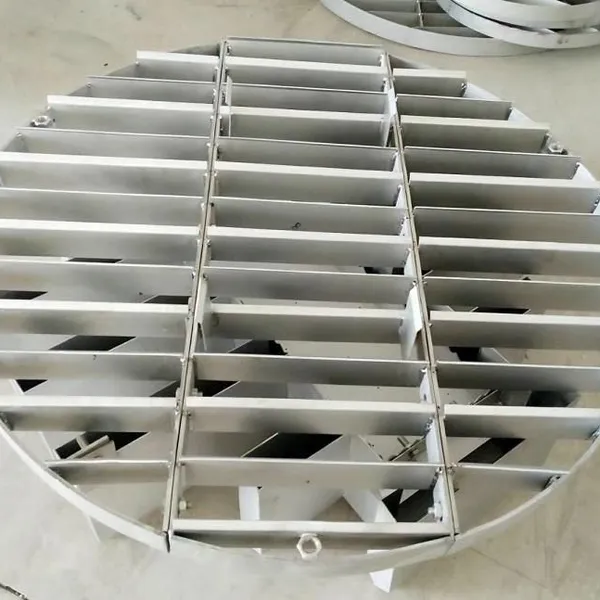 Read More

Contact Us
Recommended Products
-
 Structured Packing Support Grid Tower Internals for Distillation and Absorption ColumnsNegotiableMOQ: 1 Set
 -
Zirconia Ceramic Foam Filter for Precision Casting and Superalloy FiltrationNegotiableMOQ: 1 Cubic Meter
-
Customized Ceramic Foam Filter for Molten Metal Filtration ApplicationsNegotiableMOQ: 1 Cubic Meter
-
Steel Casting Ceramic Foam Filter for Molten Steel FiltrationNegotiableMOQ: 1 Cubic Meter
-
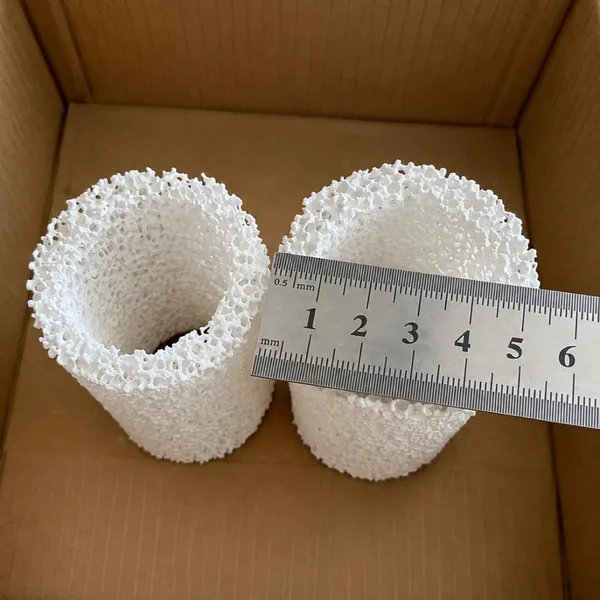
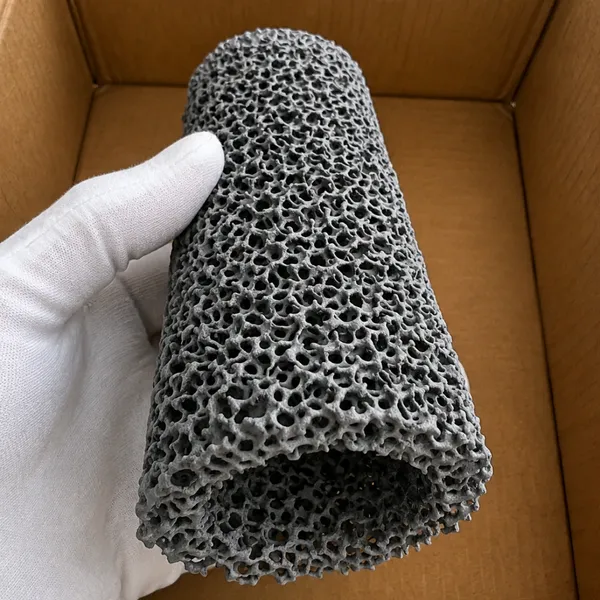
Aluminum Casting Ceramic Foam Filter for Molten Aluminum FiltrationNegotiableMOQ: 1 Cubic Meter
-
Zirconia Ceramic Foam Filter for High Temperature Steel Casting FiltrationNegotiableMOQ: 1 Cubic Meter
-
Alumina Ceramic Foam Filter for Aluminum Casting FiltrationNegotiableMOQ: 1 Cubic Meter
-
Silicon Carbide Ceramic Foam Filter for Molten Metal FiltrationNegotiableMOQ: 1 Cubic Meter
-
Customized Honeycomb Ceramic Block for RTO and High Temperature ApplicationsNegotiableMOQ: 1 Cubic Meter
-
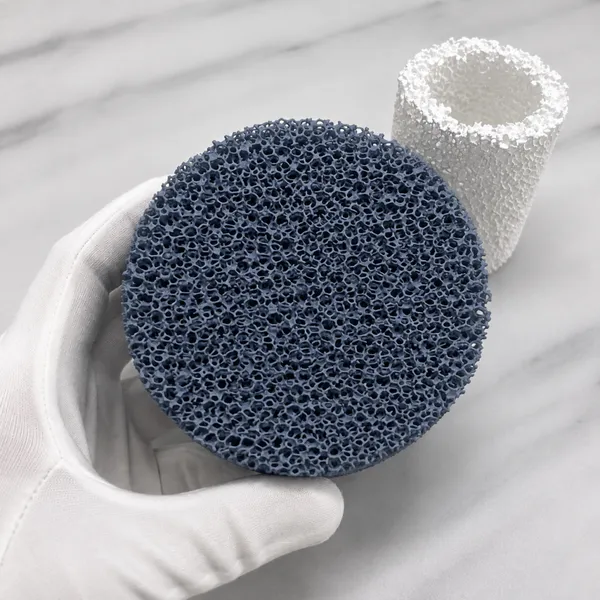
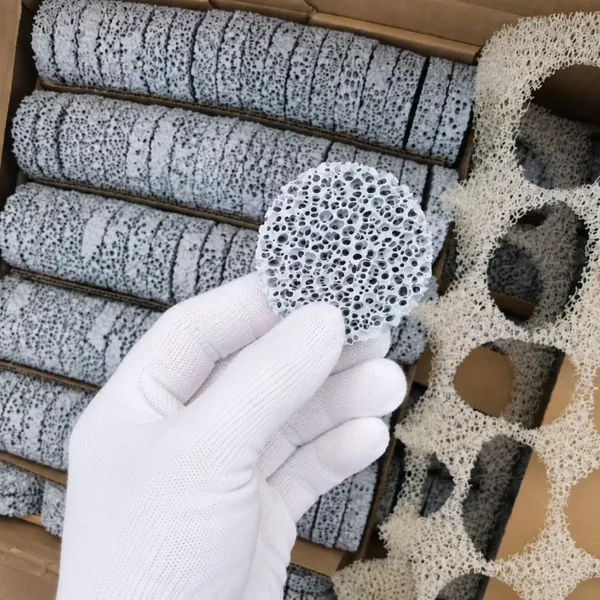
RTO Honeycomb Ceramic Regenerator Media for Thermal Oxidizer SystemsNegotiableMOQ: 1 Cubic Meter
-
Honeycomb Ceramic Catalyst Support for Catalytic Converter and Chemical ProcessingNegotiableMOQ: 1 Cubic Meter
-
Mullite Honeycomb Ceramic Heat Storage Media for High Temperature ApplicationsNegotiableMOQ: 1 Cubic Meter
-
Cordierite Honeycomb Ceramic Heat Storage Media for RTO and Thermal Regeneration SystemsNegotiableMOQ: 1 Cubic Meter
-
Chevron Mist Eliminator Vane Pack Module for Gas Liquid SeparationNegotiableMOQ: 1 Set
-
Mist Eliminator Support Grid Frame for Demister Pad InstallationNegotiableMOQ: 1 Set
-
High Efficiency Mist Eliminator Fine Droplet Separator for Advanced Gas TreatmentNegotiableMOQ: 1 Set
-
PP Plastic Mist Eliminator Corrosion Resistant Demister for Scrubber TowersNegotiableMOQ: 1 Set
-
Vane Mist Eliminator Blade Type Gas Liquid Separator for Scrubber TowersNegotiableMOQ: 1 Set
-
Wire Mesh Mist Eliminator Mesh Pad Demister for Gas Liquid SeparationNegotiableMOQ: 1 Set
-
PP Packing Support Grid Tower Internals for Corrosive Scrubber and Absorption TowersNegotiableMOQ: 1 Piece