 Business License

Mist Eliminator Thickness and Density Selection Guide for Gas-Liquid Separation
Mist Eliminator Thickness and Density Selection Guide for Gas-Liquid Separation
Introduction
Thickness and density are important design parameters when selecting a wire mesh mist eliminator.
The correct combination of mesh thickness and density affects:
Droplet removal efficiency
Pressure drop
Liquid holding capacity
Gas flow performance
Choosing an unsuitable mesh pad design may result in poor separation performance, excessive pressure drop or frequent maintenance.
DAIER Separation provides customized wire mesh mist eliminators with different thicknesses, densities and materials for industrial gas-liquid separation applications.
Why Do Thickness and Density Matter?
A wire mesh mist eliminator works by capturing liquid droplets through:
Collision
Coalescence
Drainage
The mesh structure determines how effectively droplets are captured.
Important parameters include:
Mesh density
Pad thickness
Wire diameter
Material
Gas velocity
What Does Mist Eliminator Thickness Mean?
Thickness refers to the height of the mesh pad.
Common thickness options include:
50 mm
75 mm
100 mm
150 mm
200 mm
The required thickness depends on:
Droplet size
Gas velocity
Separation efficiency requirement
Effect of Increasing Thickness
A thicker mesh pad generally provides:
Higher Removal Efficiency
More contact distance allows more opportunities for droplets to:
Impact mesh wires
Combine into larger droplets
Drain downward
Higher Liquid Holding Capacity
Thicker pads can handle more liquid loading before performance decreases.
Limitations of Excessive Thickness
Too much thickness may cause:
Higher pressure drop
Larger equipment size
Higher material cost
What Does Mist Eliminator Density Mean?
Density refers to the amount of mesh material contained in a unit volume.
Higher density means:
More wire surface area
More droplet capture points
High Density Mesh Advantages
High density mesh provides:
Higher fine mist removal efficiency
Better small droplet capture
Suitable for:
Fine mist applications
High purity gas requirements
High Density Mesh Limitations
Potential disadvantages:
Higher pressure drop
More fouling risk
Lower drainage ability
Low Density vs High Density Mist Eliminator
| Factor | Low Density | High Density |
|---|---|---|
| Pressure Drop | Lower | Higher |
| Efficiency | Medium | Higher |
| Fouling Resistance | Better | Lower |
| Fine Droplet Removal | Moderate | Excellent |
| Liquid Capacity | Higher | Lower |
How Should Engineers Select Thickness and Density?
Consider Droplet Size
Smaller droplets require:
Higher density
Suitable thickness
Consider Gas Velocity
Higher gas velocity requires careful balance between:
Capture efficiency
Re-entrainment risk
Pressure drop
Consider Liquid Loading
High liquid loading applications require:
Good drainage capability
Suitable mesh structure
Consider Fouling Conditions
For dirty gas streams:
Avoid excessive density.
Alternative solutions may include:
Vane mist eliminators
Open structure separators
Common Mistakes
Selecting Highest Density for Maximum Efficiency
Higher density does not always mean better performance.
The design must match actual operating conditions.
Ignoring Pressure Drop
A very dense mesh pad may increase system resistance.
Using Standard Thickness Without Process Data
Mist eliminator design should consider:
Gas flow
Droplet characteristics
Operating environment
Information Required for Mist Eliminator Design
Provide:
Gas flow rate
Gas velocity
Droplet size
Operating temperature
Operating pressure
Liquid loading
Material requirement
Installation space
Conclusion
Mist eliminator thickness and density selection requires balancing removal efficiency, pressure drop, liquid loading and operating reliability.
The best design depends on actual process conditions rather than choosing the thickest or densest option.
DAIER Separation provides customized mist eliminator solutions for scrubbers, absorption towers and industrial gas-liquid separation systems.
Related Products
Wire Mesh Mist Eliminator
PP Mist Eliminator
Stainless Steel Mist Eliminator
Vane Mist Eliminator
Tower Internals
Recently Posted
-
How to Choose the Right Tower Packing for Your Application: A Complete Engineering Guide
August 20, 2026How to Choose the Right Tower Packing for Your Application: A Complete Engineering GuideIntroductionSelecting the right tower pack Read More
 -
DAIER Separation Knowledge Base: Engineering Solutions for Tower Packing and Internals
August 20, 2026DAIER Separation Knowledge Base: Engineering Solutions for Tower Packing and InternalsIntroductionIndustrial separation equipment Read More
 -
Packed Tower Revamp Guide: How to Improve Existing Column Performance
August 20, 2026Packed Tower Revamp Guide: How to Improve Existing Column PerformanceIntroductionMany industrial packed towers operate for decades Read More
 -
Reliable Tower Internals Supplier: What Makes a Good Partner?
August 20, 2026Reliable Tower Internals Supplier: What Makes a Good Partner?IntroductionTower internals are critical components in packed columns Read More

Contact Us
Recommended Products
-
 Structured Packing Support Grid Tower Internals for Distillation and Absorption ColumnsNegotiableMOQ: 1 Set
 -
Zirconia Ceramic Foam Filter for Precision Casting and Superalloy FiltrationNegotiableMOQ: 1 Cubic Meter
-
Customized Ceramic Foam Filter for Molten Metal Filtration ApplicationsNegotiableMOQ: 1 Cubic Meter
-
Steel Casting Ceramic Foam Filter for Molten Steel FiltrationNegotiableMOQ: 1 Cubic Meter
-
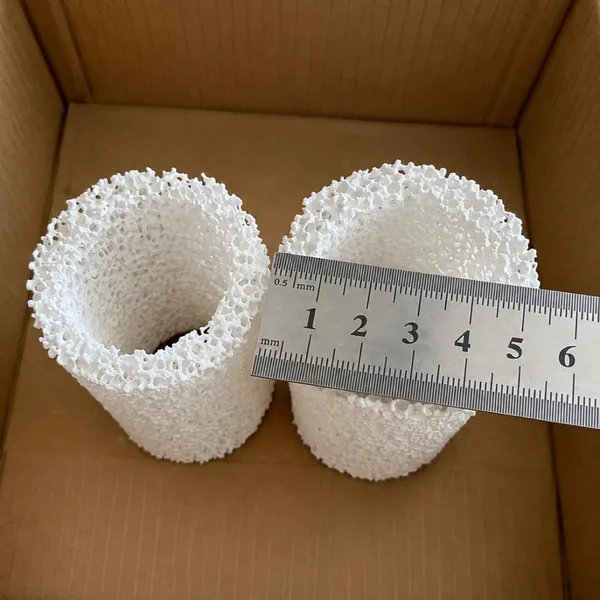
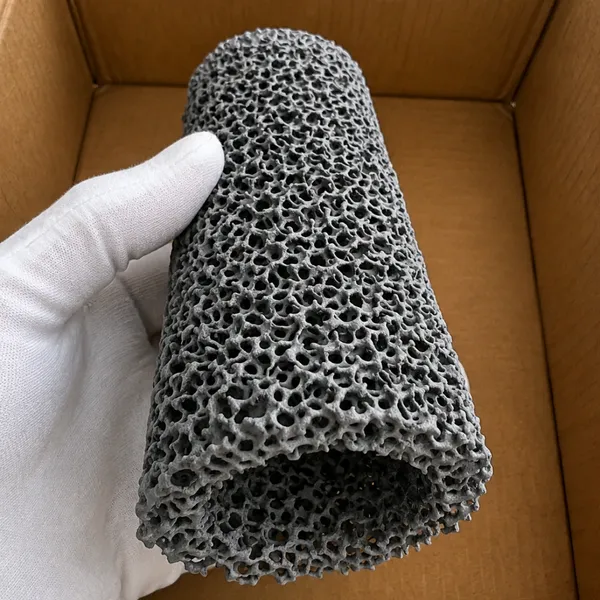
Aluminum Casting Ceramic Foam Filter for Molten Aluminum FiltrationNegotiableMOQ: 1 Cubic Meter
-
Zirconia Ceramic Foam Filter for High Temperature Steel Casting FiltrationNegotiableMOQ: 1 Cubic Meter
-
Alumina Ceramic Foam Filter for Aluminum Casting FiltrationNegotiableMOQ: 1 Cubic Meter
-
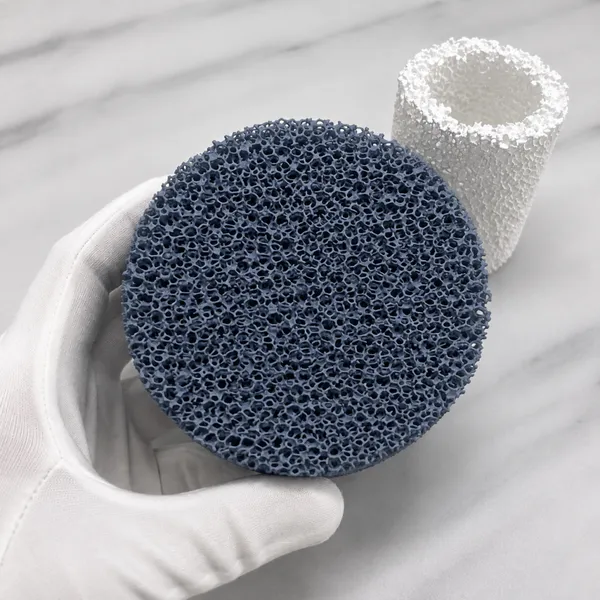
Silicon Carbide Ceramic Foam Filter for Molten Metal FiltrationNegotiableMOQ: 1 Cubic Meter
-
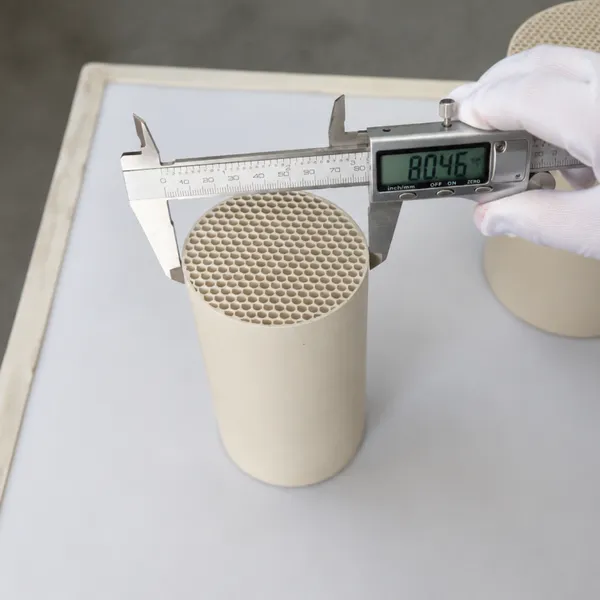
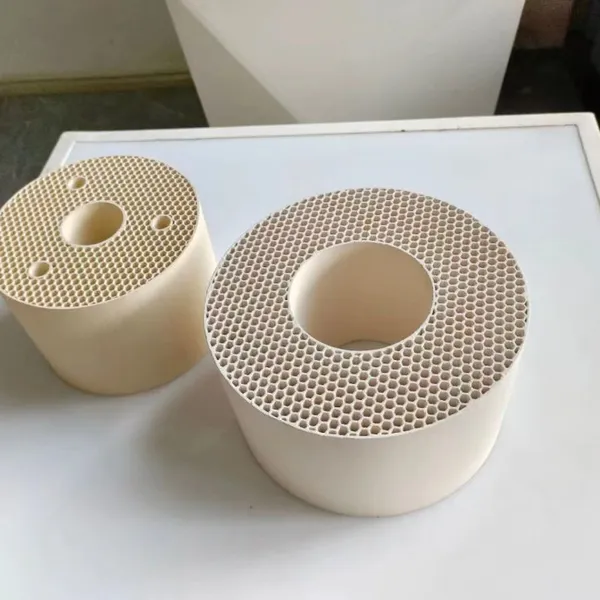
Customized Honeycomb Ceramic Block for RTO and High Temperature ApplicationsNegotiableMOQ: 1 Cubic Meter
-
RTO Honeycomb Ceramic Regenerator Media for Thermal Oxidizer SystemsNegotiableMOQ: 1 Cubic Meter
-
Honeycomb Ceramic Catalyst Support for Catalytic Converter and Chemical ProcessingNegotiableMOQ: 1 Cubic Meter
-
Mullite Honeycomb Ceramic Heat Storage Media for High Temperature ApplicationsNegotiableMOQ: 1 Cubic Meter
-
Cordierite Honeycomb Ceramic Heat Storage Media for RTO and Thermal Regeneration SystemsNegotiableMOQ: 1 Cubic Meter
-
Chevron Mist Eliminator Vane Pack Module for Gas Liquid SeparationNegotiableMOQ: 1 Set
-
Mist Eliminator Support Grid Frame for Demister Pad InstallationNegotiableMOQ: 1 Set
-
High Efficiency Mist Eliminator Fine Droplet Separator for Advanced Gas TreatmentNegotiableMOQ: 1 Set
-
PP Plastic Mist Eliminator Corrosion Resistant Demister for Scrubber TowersNegotiableMOQ: 1 Set
-
Vane Mist Eliminator Blade Type Gas Liquid Separator for Scrubber TowersNegotiableMOQ: 1 Set
-
Wire Mesh Mist Eliminator Mesh Pad Demister for Gas Liquid SeparationNegotiableMOQ: 1 Set
-
PP Packing Support Grid Tower Internals for Corrosive Scrubber and Absorption TowersNegotiableMOQ: 1 Piece