 Business License

How Gas Velocity Affects Mist Eliminator Performance in Gas-Liquid Separation Systems
How Gas Velocity Affects Mist Eliminator Performance in Gas-Liquid Separation Systems
Introduction
Gas velocity is one of the most important factors affecting mist eliminator performance.
A properly selected mist eliminator can efficiently remove liquid droplets when operating within the designed velocity range. However, excessive or insufficient gas velocity may reduce separation efficiency and cause unexpected operating problems.
Understanding the relationship between gas velocity and mist eliminator performance helps engineers select suitable demister designs for scrubbers, absorption towers and gas separation equipment.
DAIER Separation provides wire mesh mist eliminators, vane mist eliminators and customized gas-liquid separation solutions for industrial applications.
Why Is Gas Velocity Important for Mist Eliminators?
A mist eliminator works by forcing gas flow through a separation structure.
During operation:
Gas carries liquid droplets upward
Droplets collide with separator surfaces
Droplets combine and drain downward
The gas velocity determines:
Droplet capture efficiency
Pressure drop
Liquid re-entrainment risk
Effect of Excessive Gas Velocity
1. Liquid Re-Entrainment
When gas velocity becomes too high, captured droplets may be carried away again by the gas stream.
This causes:
Increased outlet mist concentration
Poor separation performance
Liquid carryover
2. Higher Pressure Drop
Higher velocity increases resistance through the mist eliminator.
Possible effects:
Increased fan energy consumption
Reduced system capacity
Unstable operation
3. Reduced Separation Efficiency
Although higher velocity increases droplet collision opportunities, excessive velocity prevents proper drainage.
The result can be lower overall efficiency.
Effect of Low Gas Velocity
Low gas velocity may also affect performance.
Possible issues:
Reduced droplet collision efficiency
Oversized equipment selection
Higher investment cost
The separator should be designed according to actual operating conditions.
Gas Velocity and Different Mist Eliminator Types
Wire Mesh Mist Eliminator
Wire mesh separators are suitable for:
Fine droplets
Moderate gas velocity
High removal efficiency requirements
If velocity is too high:
Liquid re-entrainment may occur
Pressure drop increases
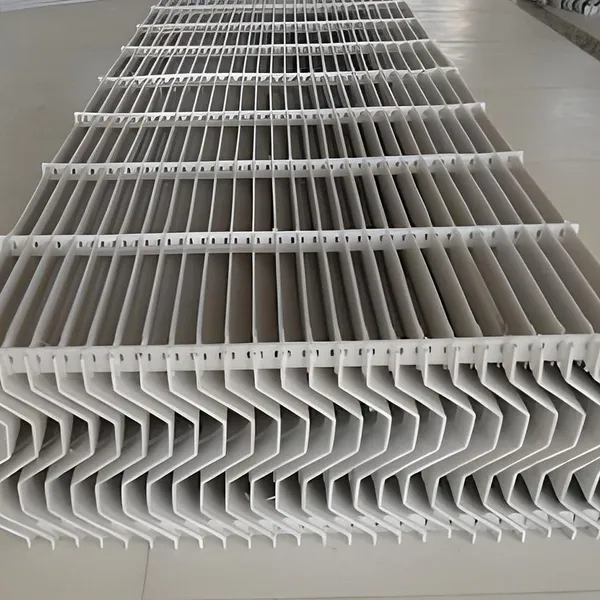
Vane Mist Eliminator
Vane separators are suitable for:
Higher gas velocity
Larger droplet removal
Fouling-prone applications
Advantages:
Larger flow passages
Lower blockage risk
Better high-capacity performance
How to Select Suitable Gas Velocity?
Engineers should consider:
1. Droplet Size
Smaller droplets require:
Higher efficiency design
Suitable mesh structure
2. Liquid Loading
High liquid loading requires:
Larger drainage capacity
Proper separator design
3. Gas Composition
Consider:
Corrosive components
Solids content
Operating environment
4. Pressure Drop Requirement
The design should balance:
Separation efficiency
Energy consumption
Operating stability
Common Mistakes
Selecting Mist Eliminator Without Checking Gas Velocity
A separator designed for one flow condition may not perform well under another.
Increasing Efficiency Without Considering Hydraulics
Higher density does not always mean better performance.
Ignoring Future Capacity Changes
Future operating changes should be considered during design.
Information Required for Mist Eliminator Selection
Provide:
Gas flow rate
Gas velocity
Tower diameter
Droplet size
Liquid loading
Operating temperature
Operating pressure
Gas composition
Installation direction
Conclusion
Gas velocity directly affects mist eliminator efficiency, pressure drop and operating reliability.
The correct mist eliminator design requires balancing gas velocity, droplet removal requirements and operating conditions.
DAIER Separation provides customized mist eliminator solutions for scrubbers, absorption towers and industrial gas-liquid separation systems.
Related Products
Wire Mesh Mist Eliminator
Vane Mist Eliminator
Plastic Mist Eliminator
Tower Internals
Gas Liquid Separator
Recently Posted
-
How to Choose the Right Tower Packing for Your Application: A Complete Engineering Guide
August 20, 2026How to Choose the Right Tower Packing for Your Application: A Complete Engineering GuideIntroductionSelecting the right tower pack Read More
 -
DAIER Separation Knowledge Base: Engineering Solutions for Tower Packing and Internals
August 20, 2026DAIER Separation Knowledge Base: Engineering Solutions for Tower Packing and InternalsIntroductionIndustrial separation equipment Read More
 -
Packed Tower Revamp Guide: How to Improve Existing Column Performance
August 20, 2026Packed Tower Revamp Guide: How to Improve Existing Column PerformanceIntroductionMany industrial packed towers operate for decades Read More
 -
Reliable Tower Internals Supplier: What Makes a Good Partner?
August 20, 2026Reliable Tower Internals Supplier: What Makes a Good Partner?IntroductionTower internals are critical components in packed columns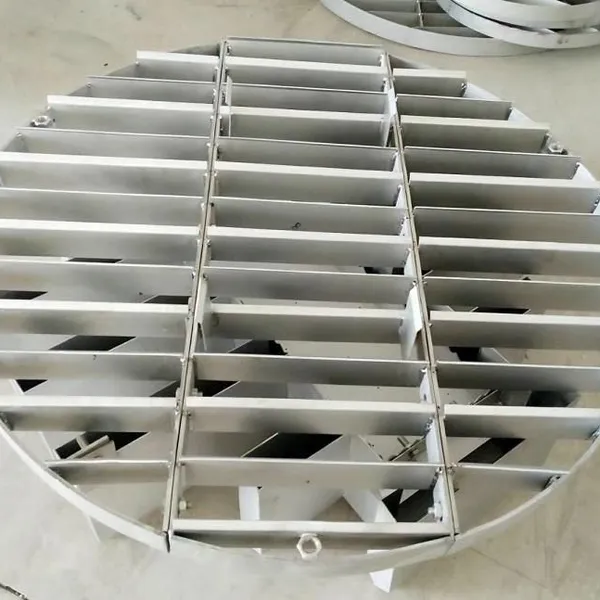 Read More

Contact Us
Recommended Products
-
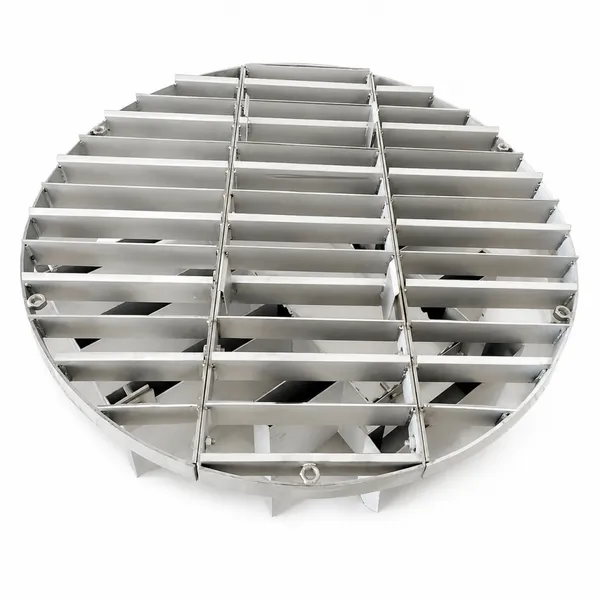
 Structured Packing Support Grid Tower Internals for Distillation and Absorption ColumnsNegotiableMOQ: 1 Set
 -
Zirconia Ceramic Foam Filter for Precision Casting and Superalloy FiltrationNegotiableMOQ: 1 Cubic Meter
-
Customized Ceramic Foam Filter for Molten Metal Filtration ApplicationsNegotiableMOQ: 1 Cubic Meter
-
Steel Casting Ceramic Foam Filter for Molten Steel FiltrationNegotiableMOQ: 1 Cubic Meter
-
Aluminum Casting Ceramic Foam Filter for Molten Aluminum FiltrationNegotiableMOQ: 1 Cubic Meter
-
Zirconia Ceramic Foam Filter for High Temperature Steel Casting FiltrationNegotiableMOQ: 1 Cubic Meter
-
Alumina Ceramic Foam Filter for Aluminum Casting FiltrationNegotiableMOQ: 1 Cubic Meter
-
Silicon Carbide Ceramic Foam Filter for Molten Metal FiltrationNegotiableMOQ: 1 Cubic Meter
-
Customized Honeycomb Ceramic Block for RTO and High Temperature ApplicationsNegotiableMOQ: 1 Cubic Meter
-
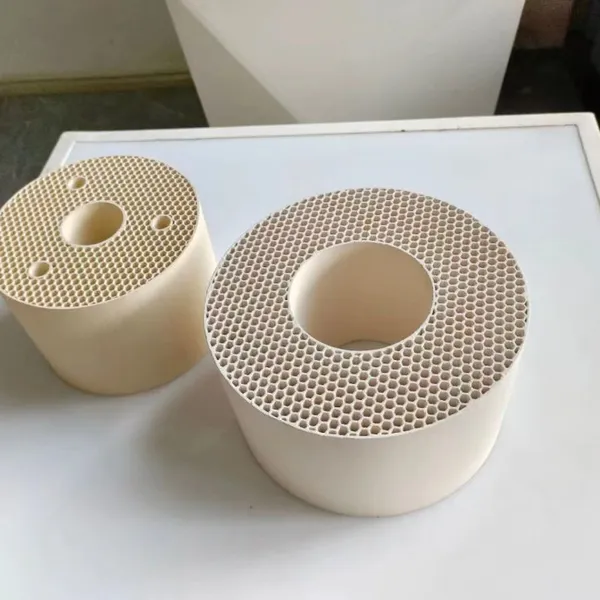
RTO Honeycomb Ceramic Regenerator Media for Thermal Oxidizer SystemsNegotiableMOQ: 1 Cubic Meter
-
Honeycomb Ceramic Catalyst Support for Catalytic Converter and Chemical ProcessingNegotiableMOQ: 1 Cubic Meter
-
Mullite Honeycomb Ceramic Heat Storage Media for High Temperature ApplicationsNegotiableMOQ: 1 Cubic Meter
-
Cordierite Honeycomb Ceramic Heat Storage Media for RTO and Thermal Regeneration SystemsNegotiableMOQ: 1 Cubic Meter
-
Chevron Mist Eliminator Vane Pack Module for Gas Liquid SeparationNegotiableMOQ: 1 Set
-
Mist Eliminator Support Grid Frame for Demister Pad InstallationNegotiableMOQ: 1 Set
-
High Efficiency Mist Eliminator Fine Droplet Separator for Advanced Gas TreatmentNegotiableMOQ: 1 Set
-
PP Plastic Mist Eliminator Corrosion Resistant Demister for Scrubber TowersNegotiableMOQ: 1 Set
-
Vane Mist Eliminator Blade Type Gas Liquid Separator for Scrubber TowersNegotiableMOQ: 1 Set
-
Wire Mesh Mist Eliminator Mesh Pad Demister for Gas Liquid SeparationNegotiableMOQ: 1 Set
-
PP Packing Support Grid Tower Internals for Corrosive Scrubber and Absorption TowersNegotiableMOQ: 1 Piece